
Amidst the digital landscape, handwritten script fonts have emerged as a captivating fusion of authenticity and artistry, offering designers a means to infuse warmth and personality into their creations. These meticulously crafted typefaces possess an innate ability to evoke emotions, transport us to nostalgic realms, and forge an intimate connection with the viewer. Let us embark on a journey through the intricate world of handwritten script fonts, unraveling their essence, versatility, and the profound impact they hold within the realm of design.
At their core, handwritten script fonts are a typographic manifestation of the human touch, meticulously designed to emulate the organic fluidity and imperfections found in handwritten text. These fonts transcend the boundaries of mere letterforms, breathing life into digital compositions with their intricate strokes, flourishes, and the subtle nuances that echo the individuality of penmanship.
The term “handwritten” finds its roots in the Old English words “hond” and “writan,” collectively signifying the act of forming characters through the manual movement of the hand. This etymological origin serves as a poignant reminder of the inherent humanity woven into the fabric of these fonts, imbuing them with a sense of authenticity and approachability that resonates deeply with audiences.
One of the primary allures of handwritten script fonts lies in their ability to infuse designs with an unmistakable sense of personality. Whether you seek to evoke feelings of elegance, whimsy, or casual charm, these fonts possess an unparalleled capacity to convey the desired tone and ambiance. From the flowing curves of a sophisticated calligraphic script to the playful strokes of a casual hand-lettered style, each font tells a unique story, inviting viewers to connect on an emotional level.
In a world saturated with digital perfection, handwritten fonts offer a refreshing departure from the mundane, injecting a touch of humanity into our visual experiences. They serve as a poignant reminder that behind every design lies the creative force of an individual, imbuing the work with a distinct character that resonates with audiences on a profound level.
The realm of handwritten script fonts is a kaleidoscope of diversity, encompassing a myriad of styles that cater to a wide range of design preferences and project requirements. From the elegant flourishes of calligraphic scripts to the whimsical strokes of brush fonts, each category offers a unique aesthetic that can elevate and complement various design elements.
Rooted in the ancient art of calligraphy, calligraphic script fonts exude an air of sophistication and grace. These meticulously crafted typefaces capture the essence of traditional penmanship, with their intricate swirls, delicate hairlines, and exquisite flourishes. Calligraphic scripts are often the epitome of elegance, making them an ideal choice for high-end branding, invitations, and luxurious product packaging.
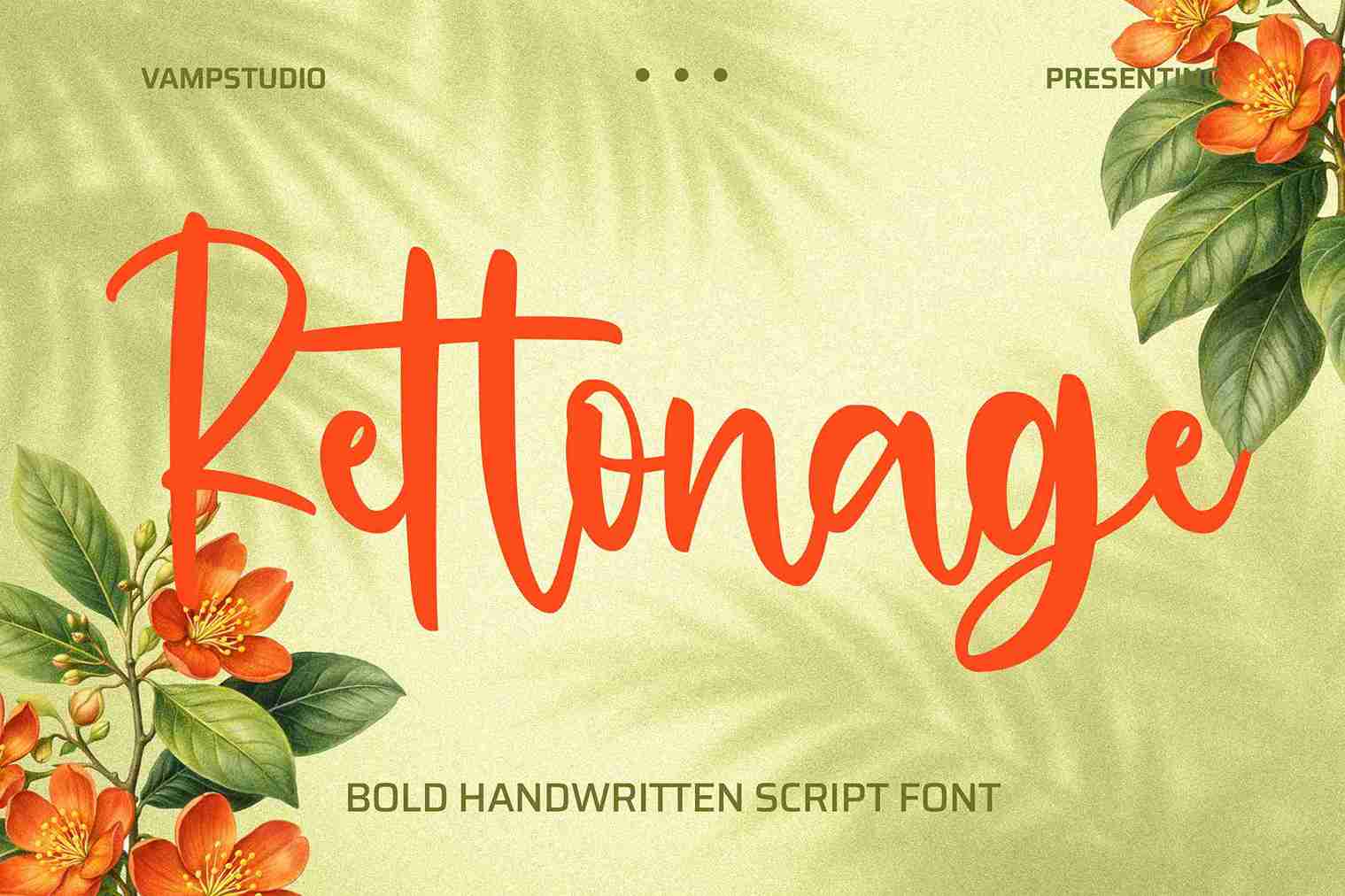
Inspired by the expressive strokes of a brush dipped in ink, brush script fonts embody a sense of energy and movement. These fonts are characterized by their varying stroke weights, organic textures, and the inherent imperfections that lend them an authentic, hand-rendered quality. Brush scripts are versatile, lending themselves well to a wide range of applications, from bold typographic compositions to playful social media graphics.
Casual script fonts are the embodiment of approachability and warmth, capturing the essence of friendly handwriting. These fonts often possess a relaxed, flowing quality, with their gentle curves and subtle irregularities evoking a sense of intimacy and familiarity. Casual scripts are well-suited for greeting cards, personal branding, and any design that aims to foster a welcoming and inviting atmosphere.
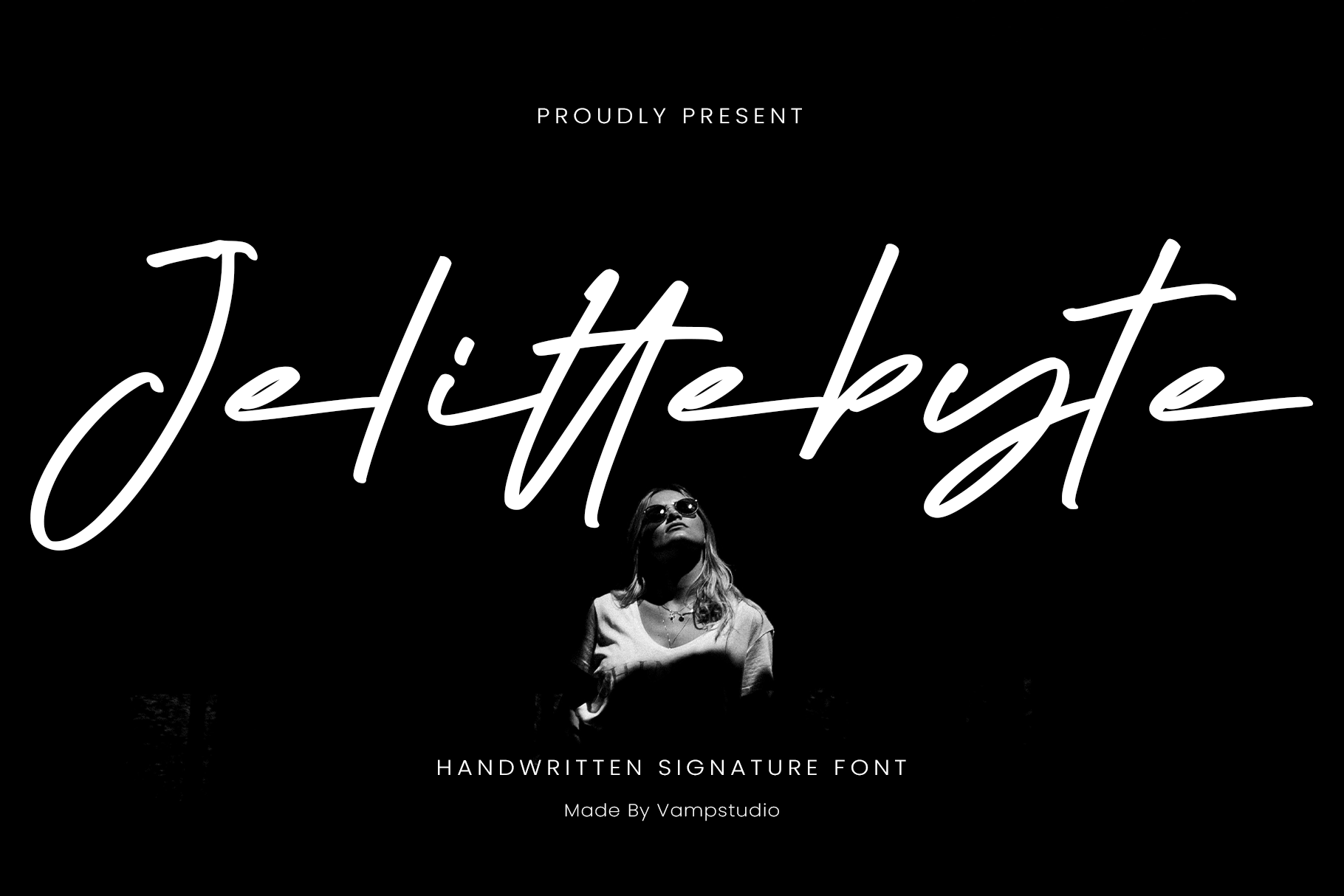
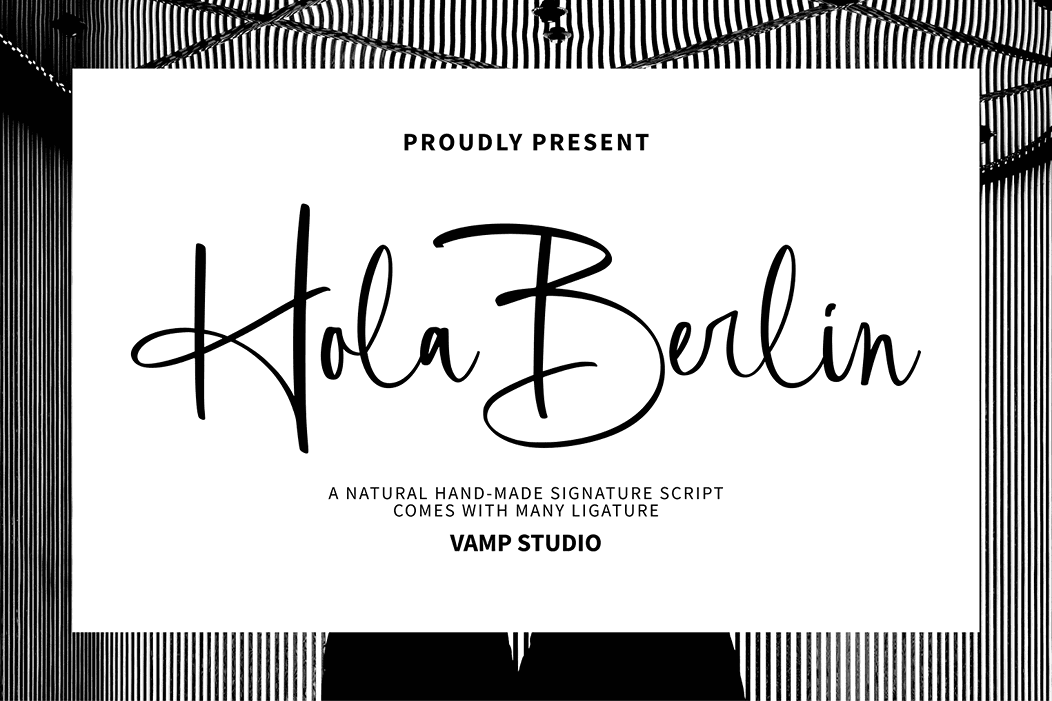
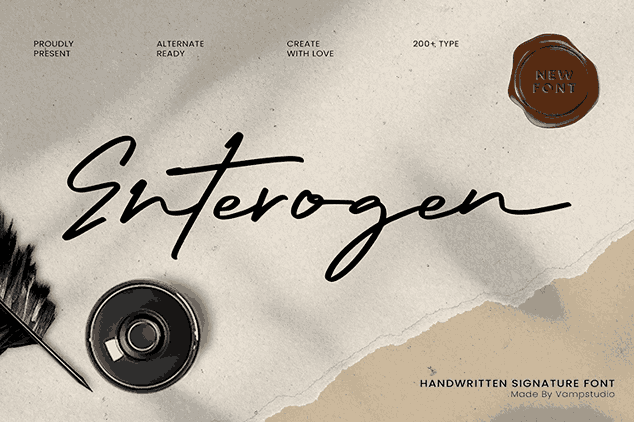
Signature scripts are a unique subset of handwritten fonts, meticulously crafted to mimic the distinctive penmanship of an individual’s signature. These fonts often exhibit a blend of cursive and print styles, with their low stroke contrast and fluid strokes lending an air of authenticity. Signature scripts are ideal for logos, personal branding, and any application that demands a personalized touch.
Script fonts replicate handwriting and calligraphy. These fonts can convey elegance, creativity, and warmth. However, they may be more challenging to read, especially in smaller sizes or from a distance. You may use fonts such as Sweet Candy, Le Marshall, Golden Style, Star Blush, Scriptonious and Alexana.
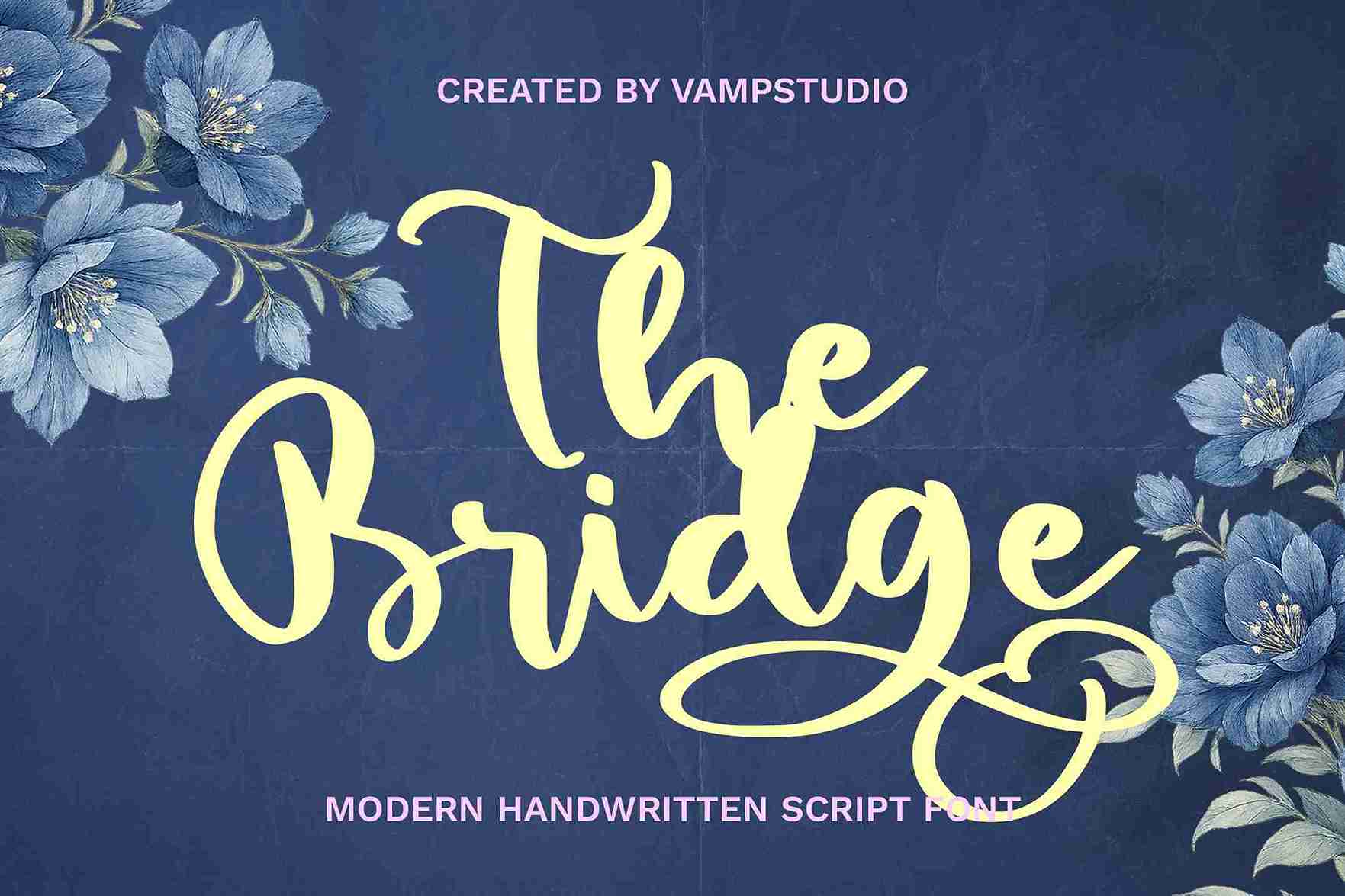
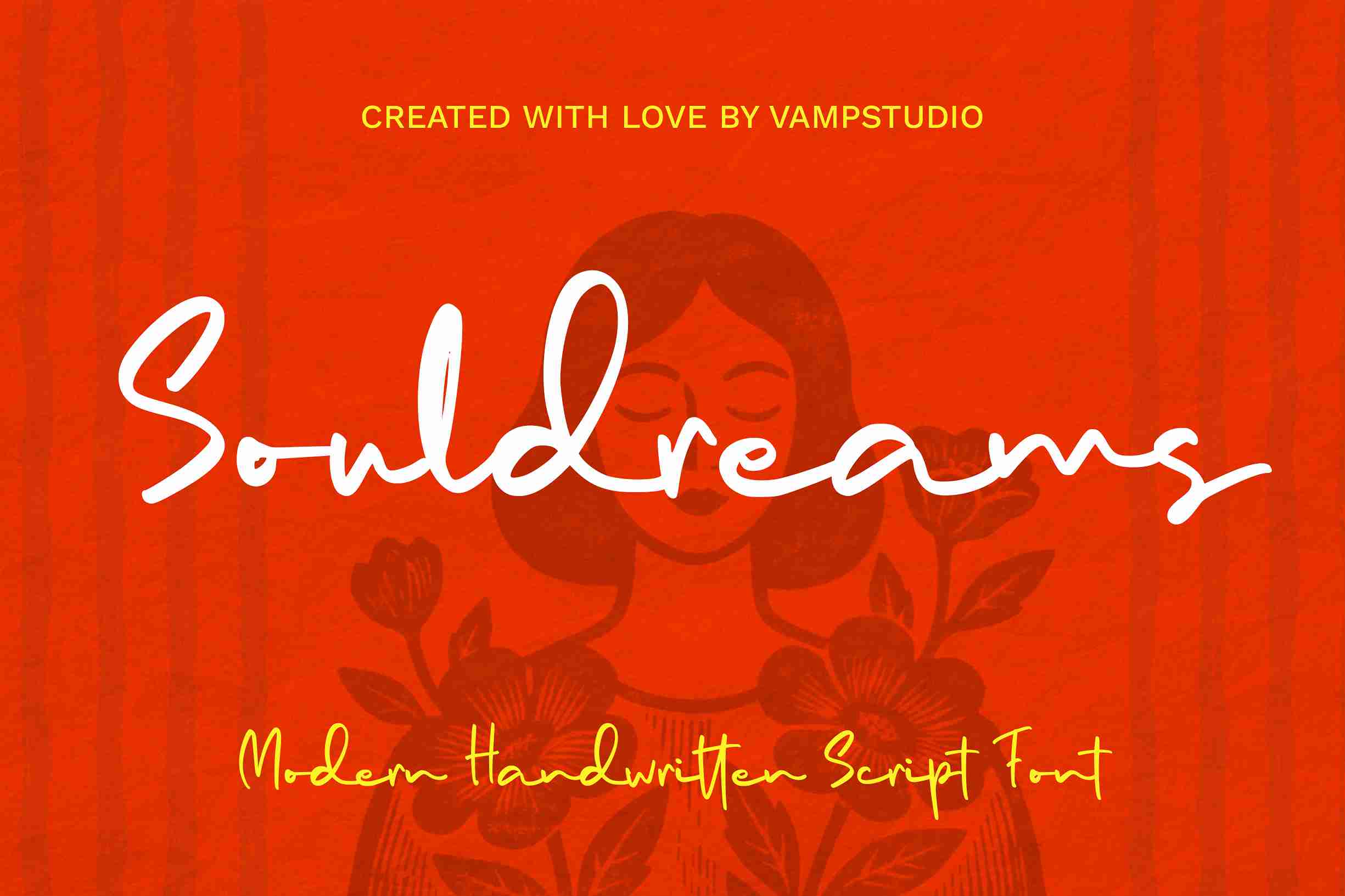
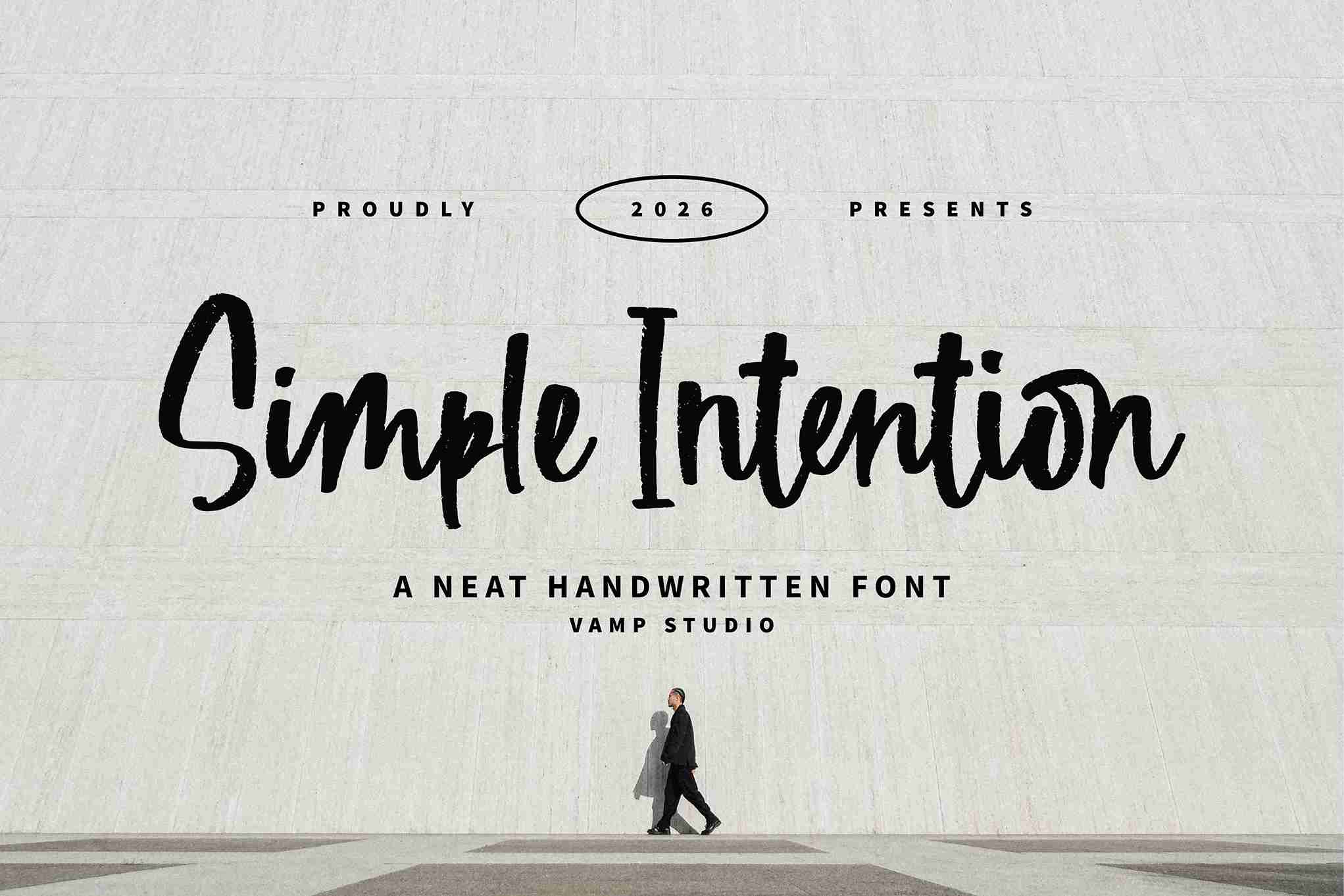
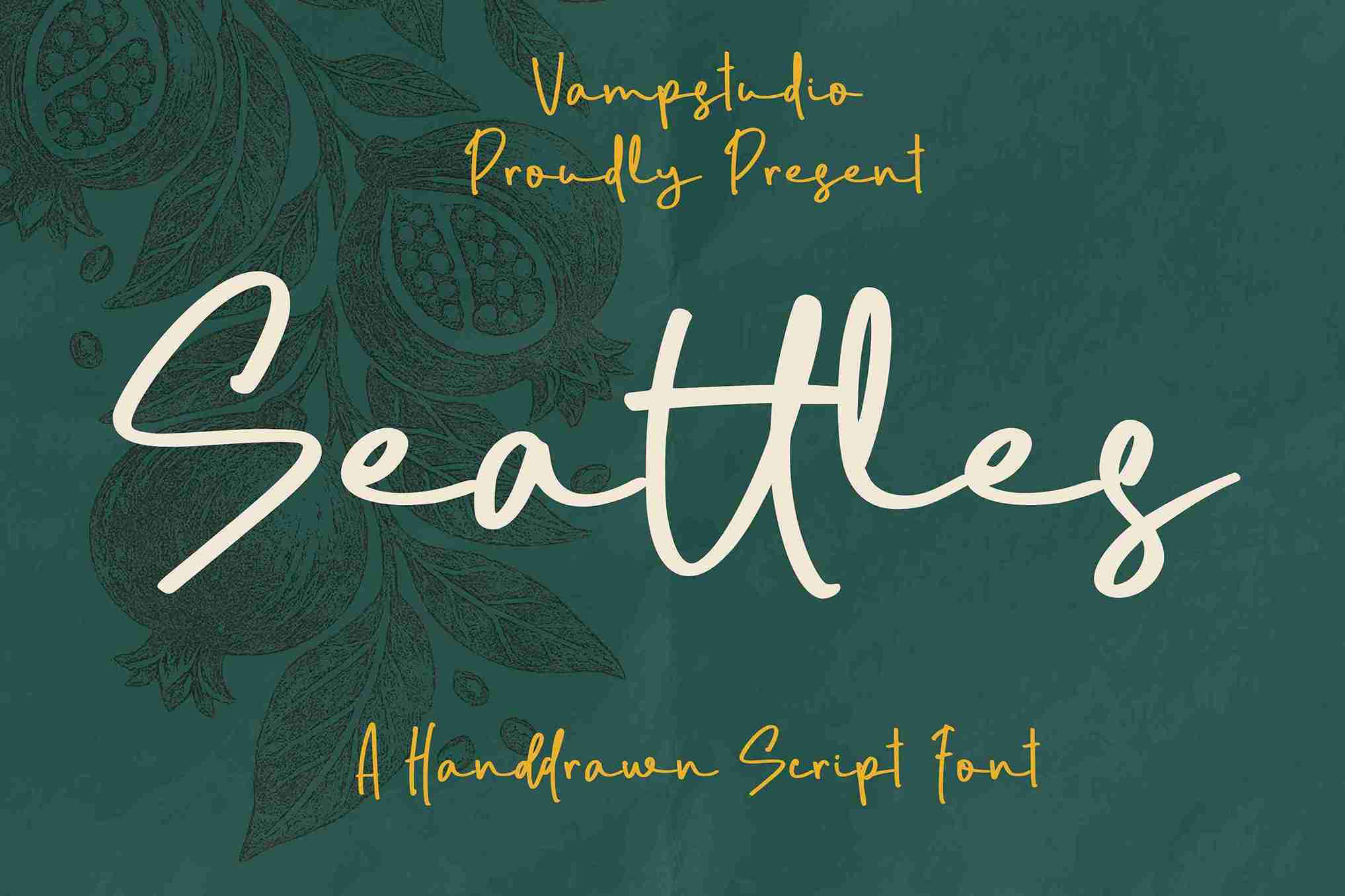
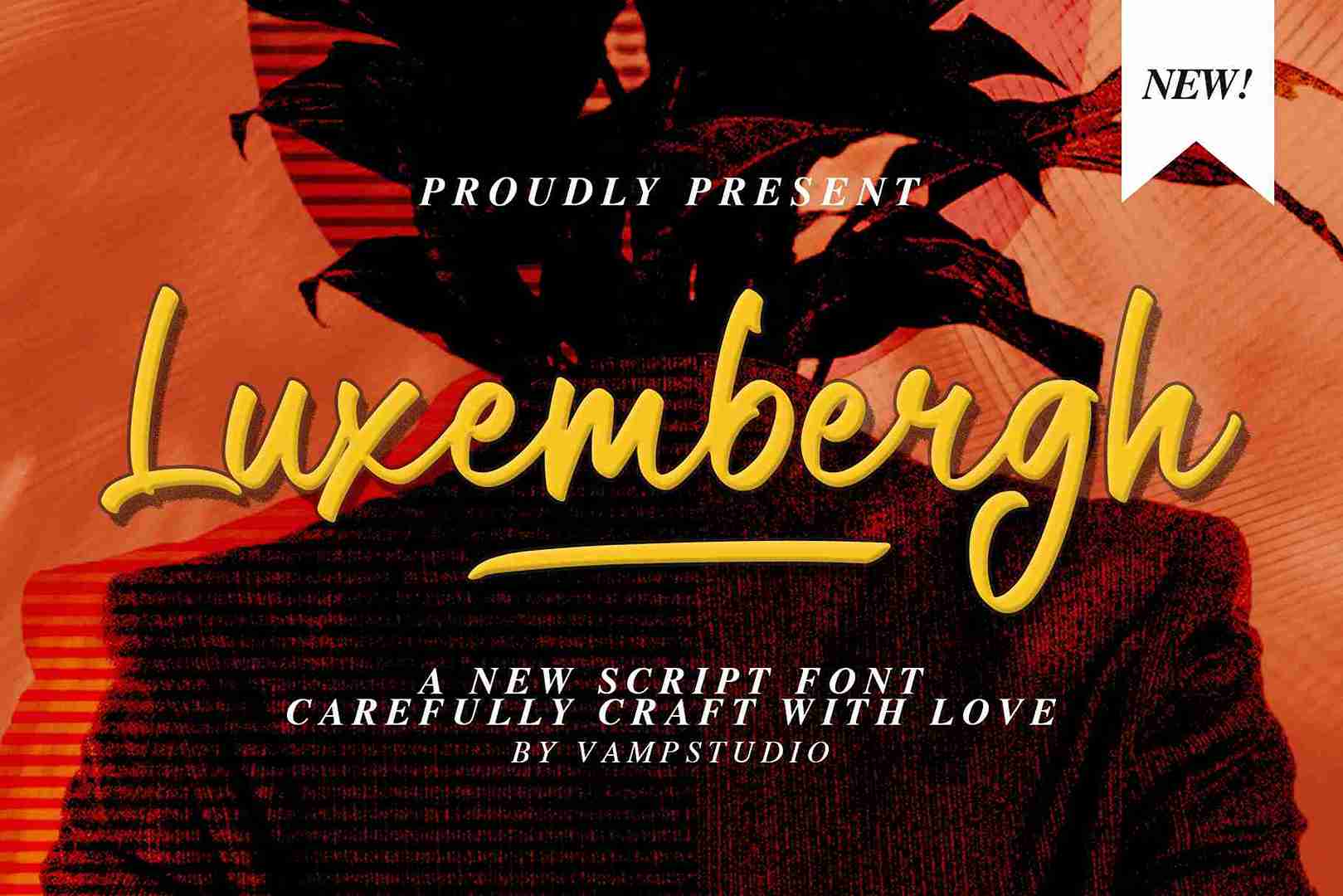
While handwritten script fonts possess an undeniable charm, their impact can be further amplified through strategic pairing with complementary typefaces. The art of font pairing lies in striking a delicate balance between contrast and harmony, allowing the handwritten font to shine while ensuring legibility and visual cohesion.
A classic pairing often involves juxtaposing a handwritten script with a clean, minimalist sans-serif font. This contrast creates a visually striking dynamic, where the script font commands attention as the focal point, while the sans-serif counterpart provides a sturdy foundation for readability and supporting text.
Alternatively, designers may opt for a more harmonious pairing, combining a handwritten font with an elegant serif typeface. This approach lends a refined, sophisticated aesthetic, where the handwritten script and serif font complement each other’s organic curves and flourishes, creating a cohesive and visually appealing composition.
The versatility of handwritten script fonts extends far beyond their aesthetic appeal, as they have found a myriad of applications across diverse design disciplines. From branding and packaging to editorial design and social media graphics, these fonts possess the power to elevate and add a touch of personality to any creative endeavor.
In the realm of branding, handwritten fonts can be instrumental in crafting a memorable and distinctive identity. A well-executed logo featuring a handwritten script can evoke a sense of authenticity, warmth, and approachability, fostering an emotional connection with the target audience. Whether it’s a boutique bakery, a artisanal craft business, or a personal branding endeavor, handwritten fonts can infuse the brand with a unique personality that sets it apart from the competition.
Few design applications capture the essence of handwritten fonts quite like invitations and stationery. These fonts lend an air of elegance and sophistication to wedding invitations, special event announcements, and personal correspondence. The intricate flourishes and delicate strokes of a handwritten script can elevate the overall aesthetic, creating a sense of occasion and intimacy that resonates with the recipient.
In the realm of editorial design, handwritten fonts can add a touch of whimsy and creativity to layouts, headlines, and pull quotes. Whether used sparingly as accents or as the primary typeface, these fonts can inject visual interest and personality into publications, captivating readers and leaving a lasting impression.
With the rise of social media platforms, handwritten fonts have found a new canvas for expression. From Instagram posts and Stories to Facebook advertisements and Twitter graphics, these fonts lend an organic, approachable quality that resonates with audiences in the digital realm. Their ability to convey emotion and capture attention amidst the constant scroll makes handwritten fonts a valuable asset in the ever-evolving world of social media marketing.
One of the most endearing qualities of handwritten script fonts lies in their inherent imperfections – the very elements that set them apart from the rigidity of digital typefaces. These organic flaws, such as subtle variations in letterforms, uneven spacing, and the occasional flourish or stroke inconsistency, are not merely byproducts of the design process but rather intentional elements that contribute to the overall charm and authenticity of these fonts.
In a world where digital perfection is often the norm, handwritten fonts celebrate the beauty of imperfection, reminding us of the human touch that lies behind every creation. These subtle irregularities evoke a sense of warmth and personality, resonating with audiences on a deeper level and fostering a connection that transcends mere aesthetics.
While handwritten script fonts undoubtedly possess an undeniable allure, it is crucial to strike a delicate balance between legibility and artistic expression. Designers must carefully consider the intended usage and context of their designs, ensuring that the chosen handwritten font does not compromise readability or accessibility.
For longer bodies of text or applications requiring sustained reading, it is advisable to exercise restraint in the use of handwritten fonts. These typefaces may be better suited as accents or for shorter sections, such as headlines or pull quotes, where their visual impact can be fully appreciated without hindering comprehension.
Additionally, designers should be mindful of the target audience and any specific accessibility requirements. Certain handwritten fonts, particularly those with intricate flourishes or highly stylized letterforms, may pose challenges for individuals with visual impairments or reading disabilities. In such cases, it is prudent to explore alternative typeface choices or incorporate accessible design practices, such as providing text alternatives or adjustable font sizes.
As technology continues to evolve, the world of handwritten script fonts is poised to undergo a renaissance, embracing innovation while preserving the essence of human creativity. The advent of variable fonts and OpenType features has opened new doors for designers, allowing them to infuse handwritten fonts with unprecedented levels of sophistication and versatility.
Variable fonts, with their ability to seamlessly transition between multiple weights and styles within a single file, offer designers a powerful tool for creating dynamic and responsive typographic compositions. Handwritten script fonts can now adapt to various contexts, maintaining their organic charm while adjusting to different screen sizes and resolutions.
Furthermore, OpenType features such as contextual alternates, ligatures, and stylistic sets have empowered designers to create handwritten fonts that truly mimic the nuances of human penmanship. These features enable the automatic substitution of letterforms based on their contextual positioning, resulting in a more natural and authentic rendering of handwritten text.
As the boundaries between digital and analog continue to blur, the future of handwritten script fonts lies in their ability to bridge the gap, infusing digital creations with the warmth and personality of the human touch. With each technological advancement, designers gain new tools to push the boundaries of typographic expression, ensuring that handwritten fonts remain a timeless and captivating choice for generations to come.
In a world dominated by digital perfection, handwritten script fonts stand as a testament to the enduring power of human creativity and artistic expression. These meticulously crafted typefaces transcend mere letterforms, evoking emotions, telling stories, and forging profound connections with audiences across diverse mediums.
From the elegance of calligraphic scripts to the whimsical strokes of brush fonts, the realm of handwritten fonts offers a kaleidoscope of styles, each with its own unique personality and charm. Whether used for branding, editorial design, or social media graphics, these fonts possess an innate ability to infuse designs with warmth, authenticity, and a touch of humanity that resonates deeply with viewers.
As technology continues to advance, handwritten script fonts will undoubtedly evolve, embracing innovation while preserving the essence of their artistry. With each new development, designers gain the opportunity to push the boundaries of typographic expression, ensuring that the timeless allure of handwritten fonts remains etched in the fabric of design for generations to come.
So, let us celebrate the beauty of imperfection, the organic flaws that breathe life into these creations, and the enduring power of the human touch that transcends the digital realm. For in the world of handwritten script fonts, we find a poignant reminder that true artistry lies not in perfection but in the authentic expression of the human spirit.

