
Blackletter fonts, often referred to as Gothic or Old English typefaces, are a captivating category of typography that evokes a sense of history and artistry. With their intricate designs and dramatic strokes, these fonts have a unique charm that has persisted through centuries. In this article, we will explore the origins, characteristics, and modern applications of blackletter fonts, providing a comprehensive understanding of their significance in the world of design.
Blackletter fonts trace their roots back to the Middle Ages, around the 12th century, in Western Europe. Emerging from the Carolingian minuscule, a script that was prevalent at the time, blackletter was developed to meet the growing demand for written texts. As literacy rates increased and universities began to flourish, the need for a more efficient writing style became apparent. Blackletter offered a solution, allowing scribes to produce texts more quickly than its predecessors.
The term “blackletter” itself refers to the dark, bold appearance of the letters, which were often used in religious texts and important documents. The style gained prominence in Germany and spread throughout Europe, becoming the dominant typeface for printed works until the rise of the Roman typefaces in the Renaissance.
Blackletter fonts are distinguished by their unique features, which set them apart from other typefaces. Here are some key characteristics:
The letterforms in blackletter fonts are highly stylized, often featuring elaborate serifs and intricate flourishes. This ornate design is reminiscent of medieval calligraphy, giving blackletter a distinctive and historical feel.
One of the most striking aspects of blackletter fonts is the contrast between thick and thin strokes. This variation creates a dynamic visual effect, enhancing the overall aesthetic appeal of the typeface.
Blackletter fonts tend to have a dense and compact structure, making them suitable for decorative purposes rather than long passages of text. Their bold appearance draws attention, making them ideal for headlines, logos, and other design elements where impact is essential.
Over the centuries, several distinct styles of blackletter have emerged, each with its own unique characteristics and historical significance. Here are some of the most notable styles:
Textura is perhaps the most recognized form of blackletter. Characterized by its tall, angular letters, this style was commonly used for religious texts and scholarly works. The Gutenberg Bible, one of the first major books printed using movable type, was produced in a textura style, showcasing its historical importance.
Fraktur emerged in the early 16th century and quickly became synonymous with German typography. Its sharp, broken lines and ornate capitals made it a favorite for both printed materials and handwritten manuscripts. Fraktur was often used in Protestant texts, distinguishing it from the Roman typefaces favored by Catholic publishers.
Originating in Italy, Rotunda is a more rounded and legible variant of blackletter. Its softer curves and less rigid structure made it easier to read, especially in narrow formats. While it was less common than textura and fraktur, Rotunda played a significant role in the evolution of blackletter typography.
Bastarda is a hybrid style that combines elements of textura and cursive scripts. This style emerged in the late 14th century and was characterized by its fluidity and informality. Bastarda was often used for personal correspondence and less formal documents, showcasing the versatility of blackletter fonts.
Blackletter fonts have played a crucial role in the history of typography and printing. Their development coincided with significant cultural and technological advancements, including the invention of the printing press by Johannes Gutenberg in the 15th century. This innovation allowed for the mass production of texts, making literature more accessible to the general public.
During the Protestant Reformation, blackletter fonts gained further prominence as they were used in religious texts that challenged the Catholic Church’s authority. The distinctiveness of blackletter typography became a symbol of cultural identity, particularly in German-speaking regions.
In contemporary design, blackletter fonts continue to captivate audiences with their historical charm and artistic flair. While they may not be suitable for lengthy body text, their impact is undeniable in various applications:
Many brands utilize blackletter fonts to convey a sense of tradition, authenticity, and craftsmanship. The bold and ornate nature of these typefaces can create a strong visual identity, making them popular choices for breweries, artisanal products, and heritage brands.
Blackletter fonts are often employed in wedding invitations, formal event announcements, and other ceremonial materials. Their elegant and sophisticated appearance adds a touch of grandeur, making them ideal for special occasions.
In graphic design, blackletter fonts are frequently used for posters, album covers, and promotional materials. Their striking visual presence can draw attention and create a memorable impact, making them a favorite among designers seeking to evoke a sense of nostalgia or historical significance.
The intricate designs of blackletter fonts have made them a popular choice in tattoo art. Many individuals opt for blackletter tattoos to symbolize their appreciation for history, literature, or personal beliefs, further solidifying the font’s cultural relevance.
Despite the rise of modern sans-serif typefaces, blackletter fonts have experienced a resurgence in recent years. Designers and typographers are increasingly exploring the potential of these fonts, experimenting with new interpretations and adaptations. This revival reflects a growing appreciation for the craftsmanship and artistry inherent in blackletter typography.
The advent of digital typography has allowed for the creation of new blackletter fonts that blend traditional elements with contemporary design sensibilities. Font foundries and independent designers are producing innovative blackletter typefaces that cater to modern aesthetics while honoring the historical roots of the style.
The popularity of calligraphy and hand lettering has also contributed to the renewed interest in blackletter fonts. Artists and enthusiasts are embracing the intricate beauty of blackletter calligraphy, incorporating it into their work and sharing it through social media platforms.
While blackletter fonts are celebrated for their beauty, they also face challenges and misconceptions. Some designers may shy away from using blackletter due to concerns about legibility, particularly in longer texts. However, when used thoughtfully, blackletter can be both visually striking and readable.
To address legibility issues, designers can consider the context in which blackletter fonts are used. For example, pairing blackletter with simpler sans-serif fonts can create a harmonious balance, allowing for effective communication without sacrificing style.
Blackletter fonts have historically been associated with certain cultural and political movements, particularly in Germany. This association can lead to misconceptions about the font’s meaning and usage. Designers should be mindful of these associations and approach blackletter typography with sensitivity and awareness.


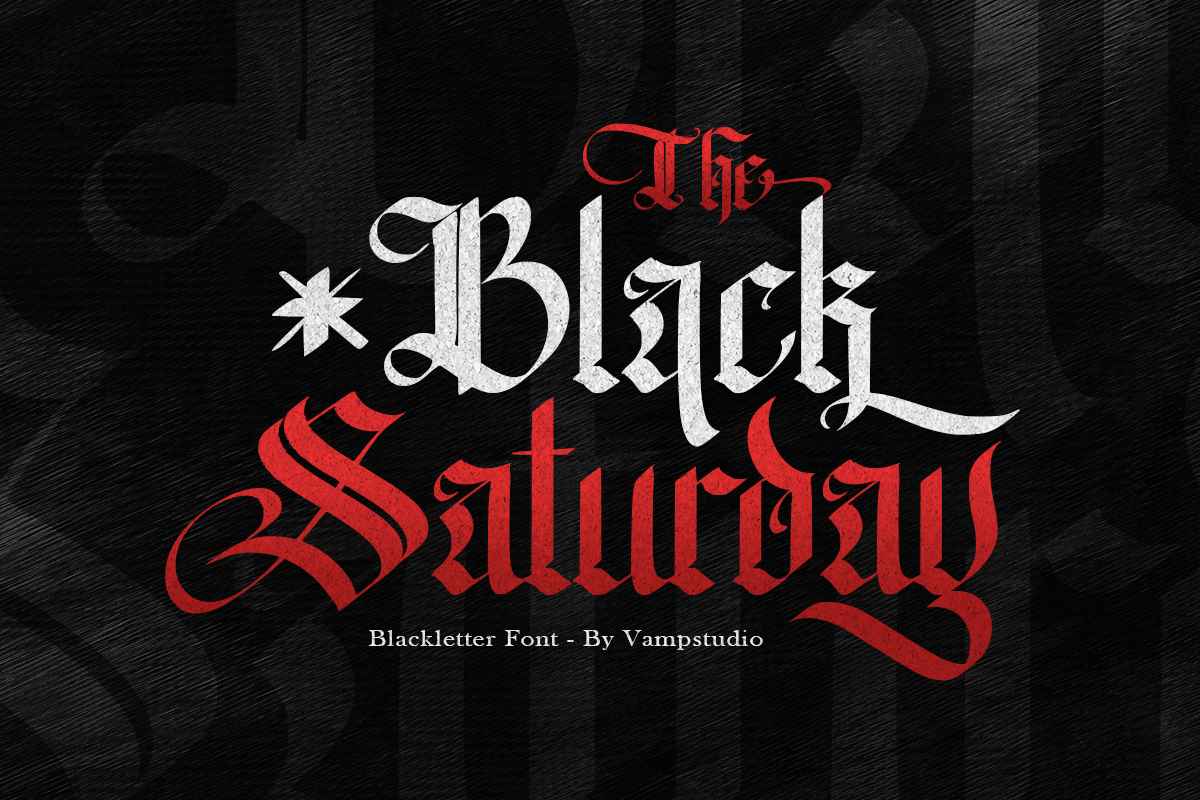

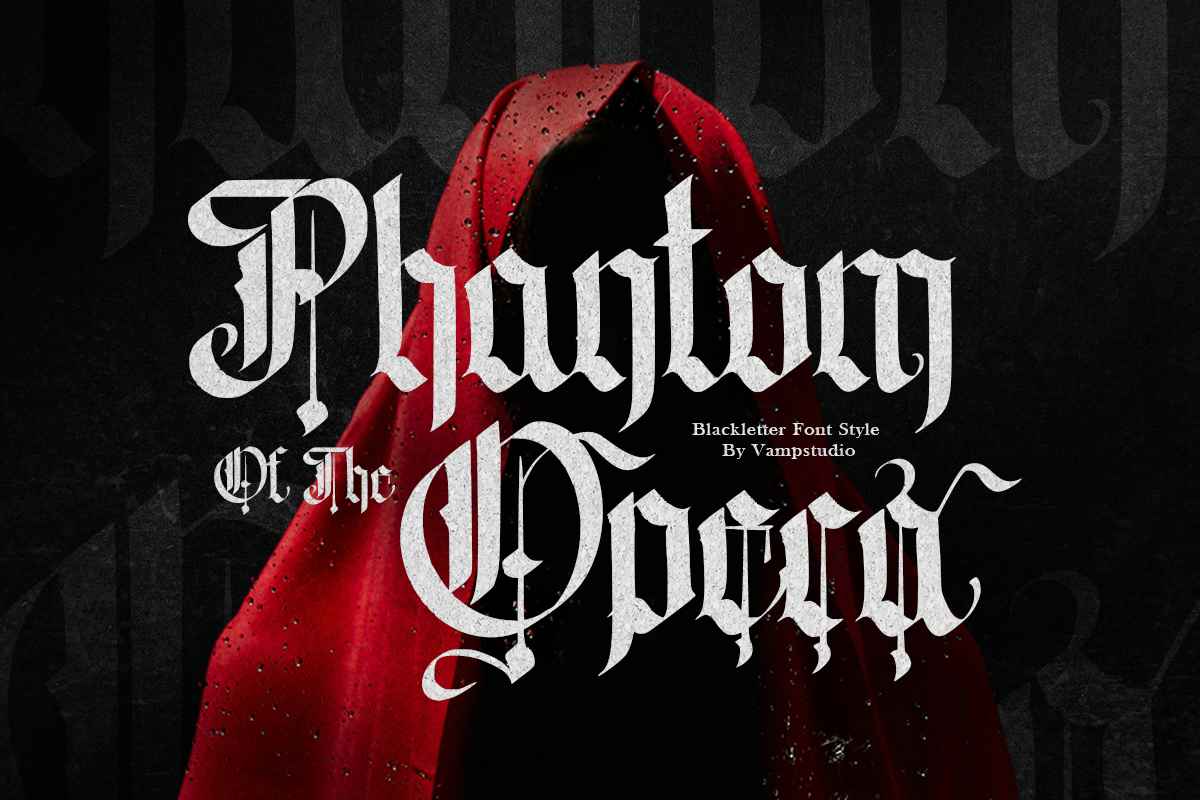

Blackletter fonts are a fascinating blend of history, artistry, and modern design. Their unique characteristics and rich heritage make them a compelling choice for various applications, from branding to graphic design. As we continue to explore the potential of blackletter typography, it is essential to appreciate its historical significance while embracing its contemporary adaptations.
Whether you’re a designer seeking to incorporate blackletter fonts into your work or simply an admirer of their beauty, the allure of blackletter typography is undeniable. As we move forward, let us celebrate the craftsmanship and creativity that blackletter fonts represent, ensuring their place in the ever-evolving landscape of typography.
If you’re looking to add a touch of elegance and history to your designs, consider exploring the diverse range of blackletter fonts available at Vampfonts.com. For a limited time, enjoy a 20% discount on your purchase without any minimum requirements. Don’t miss out on the opportunity to elevate your typography game with these stunning fonts!

